
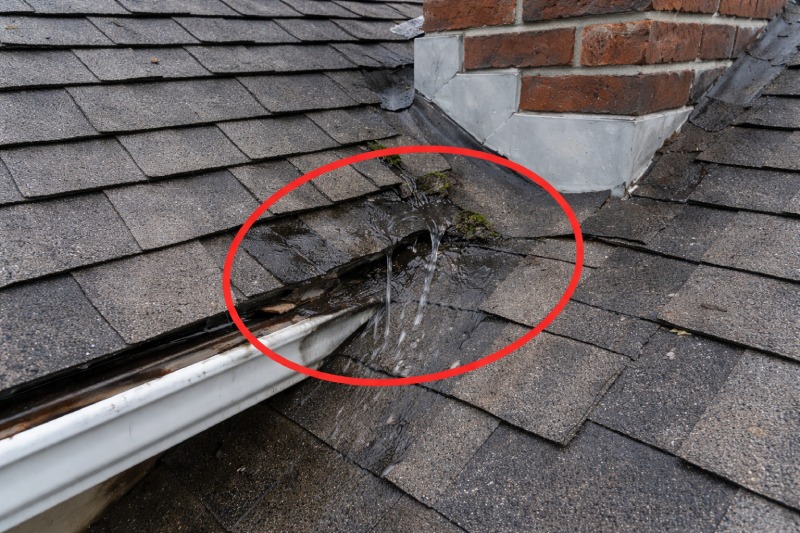
Among the most frequent calls that we get in the spring is the one made by homeowners who ask:
Why is my roof now leaking when winter is past?
Spring roof leaks are very common in Ottawa, as our winters put a lot of strain on roofing systems.
With the onset of warmer weather and the melting of snow, minor problems that formed during the winter can quickly become active leaks.
The most common causes we observe at Total Roofing Ottawa are:
- ice damming
- lifted shingles
- flashing failures
- attic condensation
- spring thaw leaks around roof penetrations
Understanding why this happens can help homeowners catch the issue early before it leads to interior damage.
This is often when homeowners start calling leaking roof contractors to stop a small seasonal issue from turning into a much bigger repair.
Ice Damming: One of Ottawa’s Biggest Spring Roofing Problems
One of the most common causes of winter post-roof leaks in Ottawa is ice damming.
When the snow on the higher part of the roof melts, the water flows down to the colder eaves.
When temperatures are close to the roof edge and below freezing, that water freezes and starts accumulating.
This forms a dam that prevents the melting snow from draining.
Since a shingle roof is not meant to retain standing water but to shed it, the water that has backed up starts to seep under the shingles.
When that occurs, the water may get into the house via:
- lifted shingles
- pushed-up metal flashings
- eaves areas
- Valleys
- wall intersections
Ice buildup can also physically push components out of place, including shingles, flashing, and even the eavestrough.
That movement is often where the leak begins.
A skilled roof leak contractor can usually trace whether the problem started at the eaves, a valley, or another weak transition point.
Why Proper Ice and Water Shield Matters
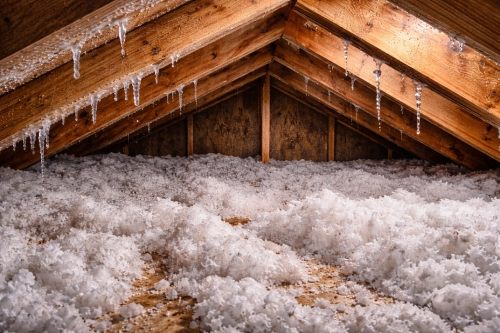
A major reason we see spring leaks in Ottawa is inadequate underlayment protection.
Ontario code commonly requires 3 feet of ice and water shield at the eaves, but in our climate, this is often not enough.
At Total Roofing Ottawa, our best practice is typically:
- 6 feet of ice and water shield at the eaves
- 3 feet in all valleys
This added protection helps prevent water intrusion when ice damming occurs.
It is one of the details that experienced roof leak repair contractors closely examine when assessing why a spring leak has formed.
Unfortunately, we often see newer homes in Ottawa with minimal protection that does not account for the severity of our winter conditions.
That is why working with a trusted roof leak repair company matters when the goal is to fix the source instead of just the symptom.
More Isn’t Always Better
A common misconception is that covering the entire roof in ice and water shield is the best solution.
In reality, that can create other problems.
When the entire roof is sealed, moisture can become trapped within the roofing system and attic structure.
Without proper airflow, this trapped moisture can:
- accelerate shingle deterioration
- contribute to condensation
- keep the roof surface colder
- increase freeze-thaw cycling
In some cases, it can actually worsen the conditions that lead to ice damming.
The goal is not to seal everything—it is to strike the right balance between protection and ventilation.
Attic Condensation: A Growing Issue in Ottawa Homes
This is something we are seeing more and more in the Ottawa area. Many homeowners assume a leak is always coming from outside.
In reality, some spring “roof leaks” are actually caused by attic condensation.
As outdoor temperatures rise, warm, moist air trapped in the attic condenses and begins to drip.
Homeowners often describe this as “it’s raining in my attic.”
In these cases, a qualified roof leak detection company can help determine whether the moisture is coming from outside the roof or forming inside the attic.
This is usually caused by ventilation issues such as:
- blocked attic baffles
- Soffits not taking in air properly
- Exhaust vents not functioning
- vent holes not fully cut
- vents placed too close together
- over-ventilation or under-ventilation
An adequate evaluation usually involves roof leakage detection services to identify whether the ventilation design is causing the staining or dripping.
Excessive and insufficient ventilation can be problematic.
There are even Ottawa houses that are over-ventilated, which makes the attic too cold in winter and leads to condensation during the spring thaw. As a local roof leak repair company, we focus on identifying the root cause so the repair lasts more than one season.
Common Leak Areas After Winter
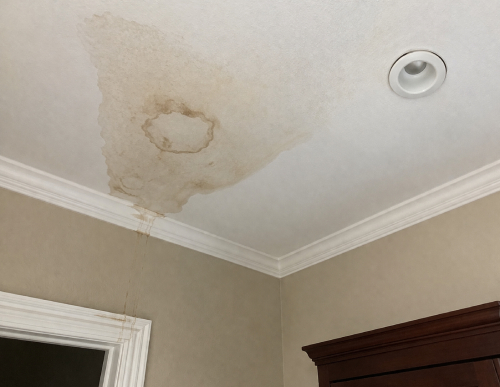
The most common places we find leaks in spring are around roof penetrations and transition points.
These include:
- Chimneys
- Valleys
- vent pipes
- Skylights
- wall flashings
- Step flashing areas
Any opening in the roof system is a potential leak point once snow and ice begin to move. Our roof repair leak services aim to repair the apparent damage and the underlying factors that led to the leak.
Flashing Failures Are Often Missed
This is a significant problem.
Many roofing jobs centre on shingle replacement. However, leaks are usually caused by the metal flashings rather than the shingles themselves.
Flashings around chimneys, walls, skylights, and vent pipes must be properly replaced and sealed.
Regrettably, we frequently encounter roofs where shingles have been replaced, but older flashing systems remain.
This is one of the most common causes of spring leaks.
This is also why specific roof leak repair services are essential around chimneys, skylights, and vent penetrations.
Why an Attic Inspection Is So Important

One of the most important parts of diagnosing a roof leak is inspecting the attic.
Old-time roofing contractors understand that the quickest way to distinguish between surface symptoms and the actual cause is to look inside the attic.
The attic speaks volumes in most instances.
A knowledgeable roof leak contractor will use that interior evidence to determine whether the problem is condensation, flashing failure, or water entry at the top.
This is where we can often see:
- water trails
- condensation patterns
- blocked airflow
- underside deck damage
- mould or moisture buildup
- active penetration leaks
Any proper roof estimate should include an attic inspection whenever possible.
Often, the attic reveals issues that are not visible from the exterior alone.
This is where a dedicated roof leak detection company can provide clarity before any repair work begins.
Book a Spring Roof Inspection in Ottawa

If your roof is leaking after winter, the issue is often more than just a missing shingle.
Ottawa’s climate creates very specific spring roofing problems, and identifying the true source is key to solving them properly.
Choosing roof leak repair contractors who understand local freeze-thaw patterns can make all the difference in preventing repeat problems.
At Total Roofing Ottawa, we inspect the entire roofing system, including the attic, flashing, ventilation, and underlayment, to identify the true cause.
We also offer comprehensive roof leak detection services to ensure homeowners know exactly what requires attention before repairs are undertaken.
Schedule your spring roof check-up now and let us help secure your home before the next rain.
FAQs: Spring Roof Leaks in Ottawa
Why is my roof leaking after the snow melts?
The most common reasons are ice damming, flashing movement, lifted shingles, and attic condensation.
Can attic condensation look like a roof leak?
Yes. In many Ottawa homes, springtime attic condensation can drip and appear as an active roof leak.
Where do spring roof leaks usually happen?
Common areas include chimneys, valleys, vent pipes, skylights, and flashing transitions.
Should a roofer inspect the attic?
Absolutely. The attic often reveals the source of the issue and should be included in a proper inspection.